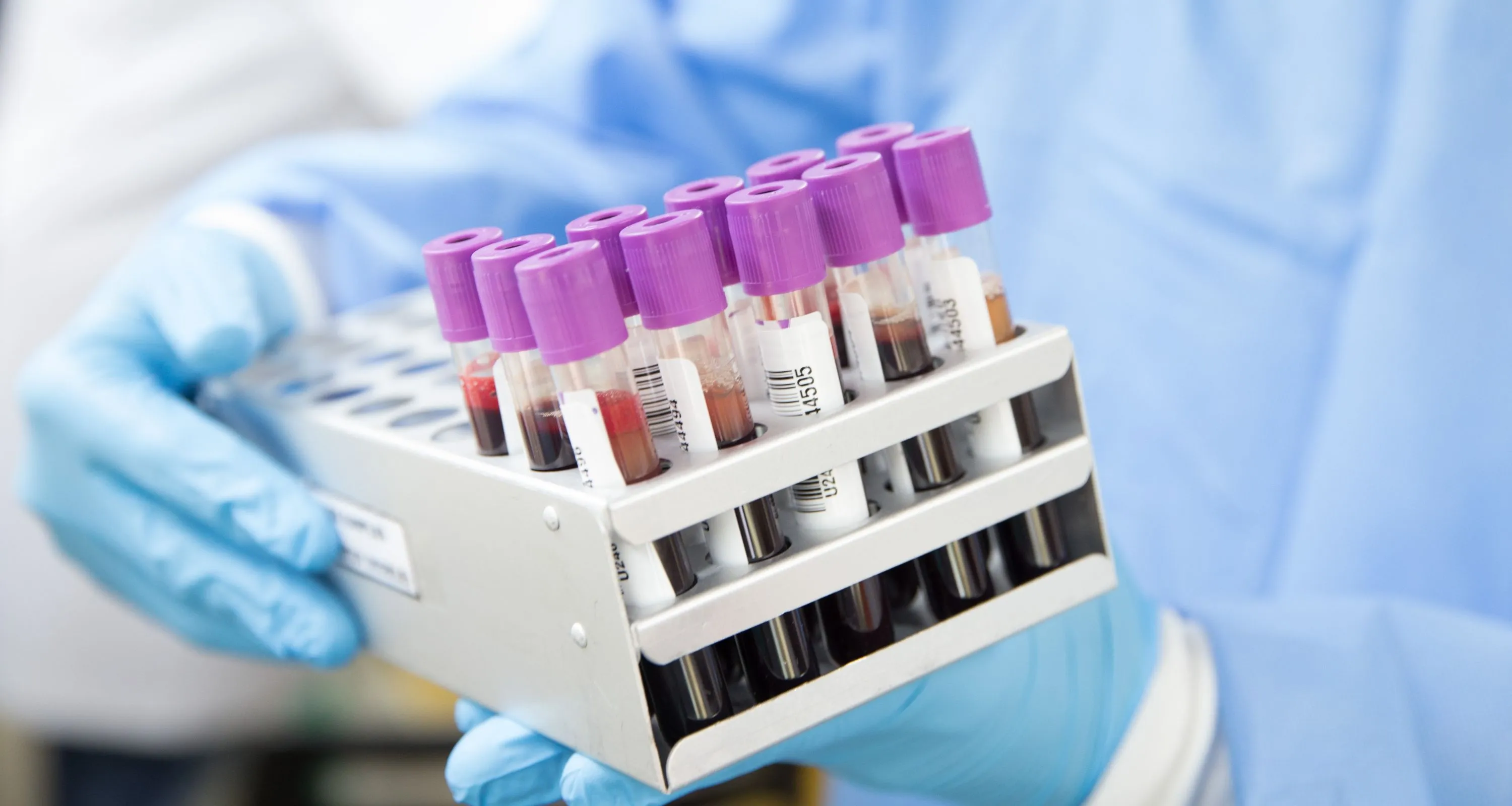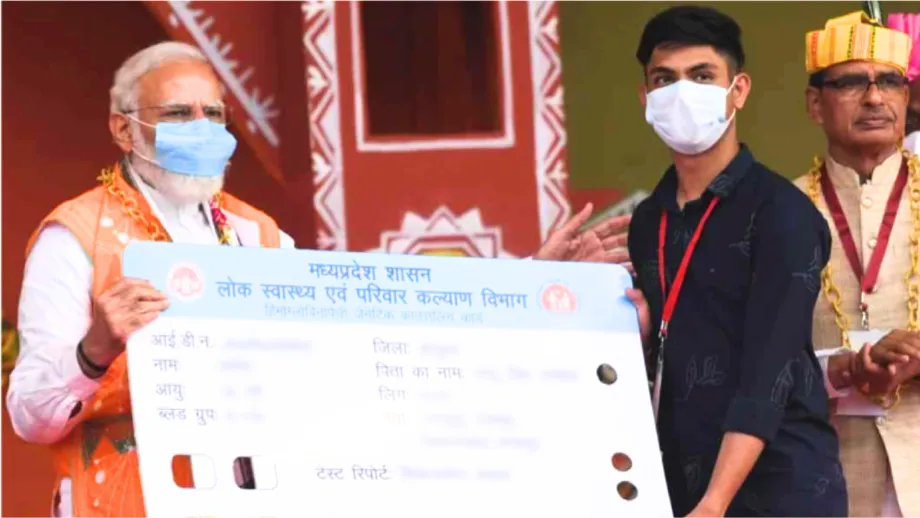
Public-Private Partnerships (PPPs) have long been a cornerstone of economic and social development across global sectors. In Bharat, where healthcare challenges are vast, PPPs hold the key to bridging gaps in service delivery, infrastructure, and technology. Specifically, when it comes to diagnostic services - a critical component of effective healthcare, these collaborations offer immense potential to enhance accessibility, affordability, and quality of care.
In the most populous country of Bharat, the demand for reliable diagnostic services is ever growing. However, the existing infrastructure, particularly in rural and underserved areas, remains inadequate. As Bharat pushes forward on its mission to achieve universal healthcare through National Health Mission (NHM) and Ayushmaan Bharat to name a few, partnering with private enterprises could be the game-changer that propels diagnostic services to a new level of efficiency and reach.
The Role of Diagnostics in Healthcare
Diagnostic services are the backbone of any functional healthcare system. Accurate diagnosis is critical for timely treatment, early intervention, and disease prevention. In Bharat, where a significant portion of the population suffers from chronic and lifestyle diseases such as diabetes, cardiovascular conditions, and respiratory ailments, early detection can save countless lives. Moreover, given the burden of infectious diseases like tuberculosis and dengue, diagnostics are essential in disease control efforts.
Yet, the diagnostics landscape in Bharat is filled with challenges. There is a total disparity between urban and rural areas in terms of access to quality and affordable diagnostic services. White urban centers boast state-of-the-art facilities, many rural clinics and healthcare centers still rely on less efficient equipment and lack trained personnel. This is where PPPs can play a pivotal role, bringing private sector innovation and expertise into public healthcare delivery.
Public-Private Partnerships: A Way Forward
PPPs are structured agreements between government entities and private enterprises that aim to achieve mutual objectives. In healthcare, PPPs have shown promise in expanding services, building infrastructure, and introducing cutting-edge technology. Bharat's diagnostic services sector stands to benefit greatly from such collaborations, particularly in the following areas:
- Infrastructure Development: Building new diagnostic centers and upgrading existing ones requires significant investment. Through PPPs, private companies can be incentivized to set up modern diagnostic labs, especially in rural and semi-urban areas. The public sector provides land, regulatory support, and market access, while the private partner brings in technology, operational expertise, and funding.
- Innovative Technology Integration: Private enterprises are often ahead in adopting advanced diagnostic technologies. PPPs can foster the integration of these technologies into government-run healthcare systems, enabling faster and more accurate diagnoses.
- Capacity Building and Training: One of the biggest challenges in rural Bharat is the shortage of trained medical personnel. PPPs can help train healthcare workers in the use of modern diagnostic equipment and techniques. Private players can offer technical expertise and capacity-building programs that equip local healthcare workers with skills to operate complex diagnostic tools and interpret results efficiently.
- Affordability and Accessibility: One of the primary concerns in Bharat's healthcare system is the cost of diagnostic services, which can be prohibitively expensive for many people. PPPs can make diagnostics more affordable through subsidies, lower operational costs, and economies of scale. Additionally, diagnostic centers operated by private companies in collaboration with government bodies, can serve remote areas that lack fixed healthcare facilities.
Bharat Lab Network: Creating a Benchmark for Affordable, High-Quality Diagnostic Services through Public-Private Partnership (PPP) Through Science House Medicals Pvt. Ltd. (SHMPL)
The Bharat Lab Network (BLN) through its parent organization Science House Medicals Pvt. Ltd. (SHMPL) stands as a good example of how Public-Private Partnerships can revolutionize diagnostic services in Bharat. With the collaborative efforts of Bhartiya government and private diagnostic equipment players, SHMPL has been pivotal in delivering high-quality, affordable diagnostic solutions to millions, especially in underserved regions. By harnessing the strengths of both sectors — the public sector’s scale and the private sector’s expertise and innovation, SHMPL Network has paved the way for a future where every citizen, regardless of their location, can access essential diagnostic services.
The BLN Model (Operating Under Parent Organization SHMPL)
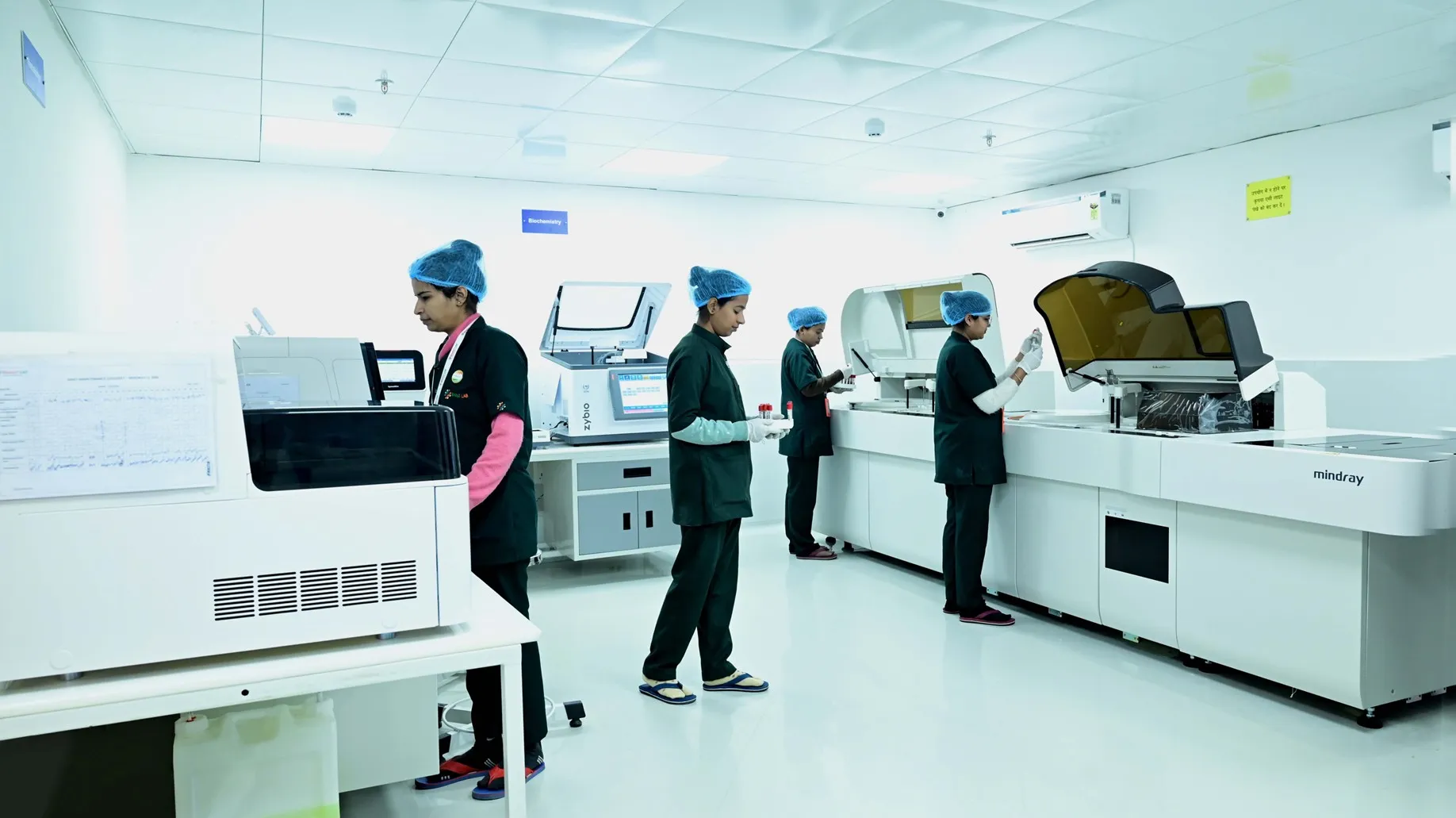
Bharat Lab Network (BLN), operating under its parent organization, SHMPL, leverages the Public-Private Partnership (PPP) model to deliver quality and affordable diagnostic services across Bharat.
SHMPL, a leader in diagnostics, runs a vast network of over 450 labs and 1,700 collection centers, conducting 1-2 lakh investigations daily and serving 30,000 to 50,000 patients each day.
BLN operates on a unique framework that focuses on the following key areas:
- Nationwide Diagnostics Infrastructure Development
Through its PPP-based partnership, BLN, under SHMPL's guidance, has built a robust network of diagnostic centers in both urban and rural regions. The public sector offers infrastructure, regulatory clearances, and logistical support, while private partners provide advanced diagnostic equipment and operational expertise. This collaboration has led to the establishment of modern labs in underserved areas, greatly improving access to essential healthcare services. - Cutting-Edge Technology and Innovation
BLN, powered by SHMPL’s private diagnostic partners, has adopted cutting-edge technologies, including automated diagnostic equipment and digital pathology, enabling faster, more accurate diagnoses while minimizing errors. These innovations allow BLN to provide reliable services in specialties ranging from blood tests and imaging to advanced pathology. - Affordable and Transparent Pricing
One of BLN's significant achievements is making high-quality diagnostics accessible to all socio-economic groups. By following CGHS (Central Government Health Scheme) benchmark rates and capitalizing on SHMPL’s economies of scale and operational efficiencies, BLN has managed to lower the cost of essential diagnostic services, without compromising quality. This pricing structure ensures that even the most vulnerable populations can afford life-saving medical tests.
Additionally, BLN has played a vital role in building skills through skill development and employment generation for thousands of youth, creating new opportunities while ensuring the sustainable delivery of healthcare services. - Expansion into Rural Areas
Bharat Lab Network focuses on bringing diagnostic services to rural and semi-urban regions, where the healthcare infrastructure has traditionally been weak with an aim to significantly improve the overall health outcomes in rural Bharat. - Training and Capacity Building
A core part of BLN’s success lies in its commitment to training and capacity building. SHMPL leverages its private-sector expertise to train local healthcare workers in using sophisticated diagnostic tools, creating a sustainable workforce capable of running these facilities independently. This capacity-building initiative ensures the long-term sustainability of diagnostic services, especially in resource-limited regions.
A Vision for the Future
As BLN continues to expand under SHMPL, their shared vision is to ensure that every citizen, no matter how remote, can access affordable, reliable diagnostic services. By continuing to innovate, expand infrastructure, and lower costs, SHMPL and BLN are reshaping the future of healthcare in Bharat and setting new standards for public-private collaboration in diagnostics.
Jai Hind!