In today’s healthcare scenario, patient-centric approaches in diagnostics are transforming how individuals in Bharat make health decisions. The focus is shifting from reactive disease management to proactive health maintenance, driven by increased patient awareness, technological advancements, and enhanced accessibility to diagnostic services. The following are some patient-centric approaches that can significantly enhance healthcare outcomes and patient satisfaction.
- Increasing Patient Awareness
One of the cornerstones of patient-centric diagnostics is to empower the individuals with knowledge and awareness. Accurate diagnostics play a pivotal role in the early detection and management of diseases, and increasing patient awareness about this is crucial. People are becoming more informed about the significance of timely and precise diagnostics. Educational campaigns, community outreach programs, and digital information dissemination are instrumental in spreading this awareness, encouraging patients to seek diagnostic services proactively. - Leveraging Technology
The digitization of patient records and the advent of sophisticated diagnostic tools have revolutionized the diagnostic sector. Electronic Health Records (EHRs) ensure that patient data is easily accessible, accurately maintained, and securely shared across healthcare providers. Advanced diagnostic tools, including AI-driven imaging and molecular diagnostics, offer higher accuracy and efficiency. These technologies not only facilitate faster diagnosis but also enable personalized treatment plans, improving overall patient outcomes. - Enhanced Patient Experience
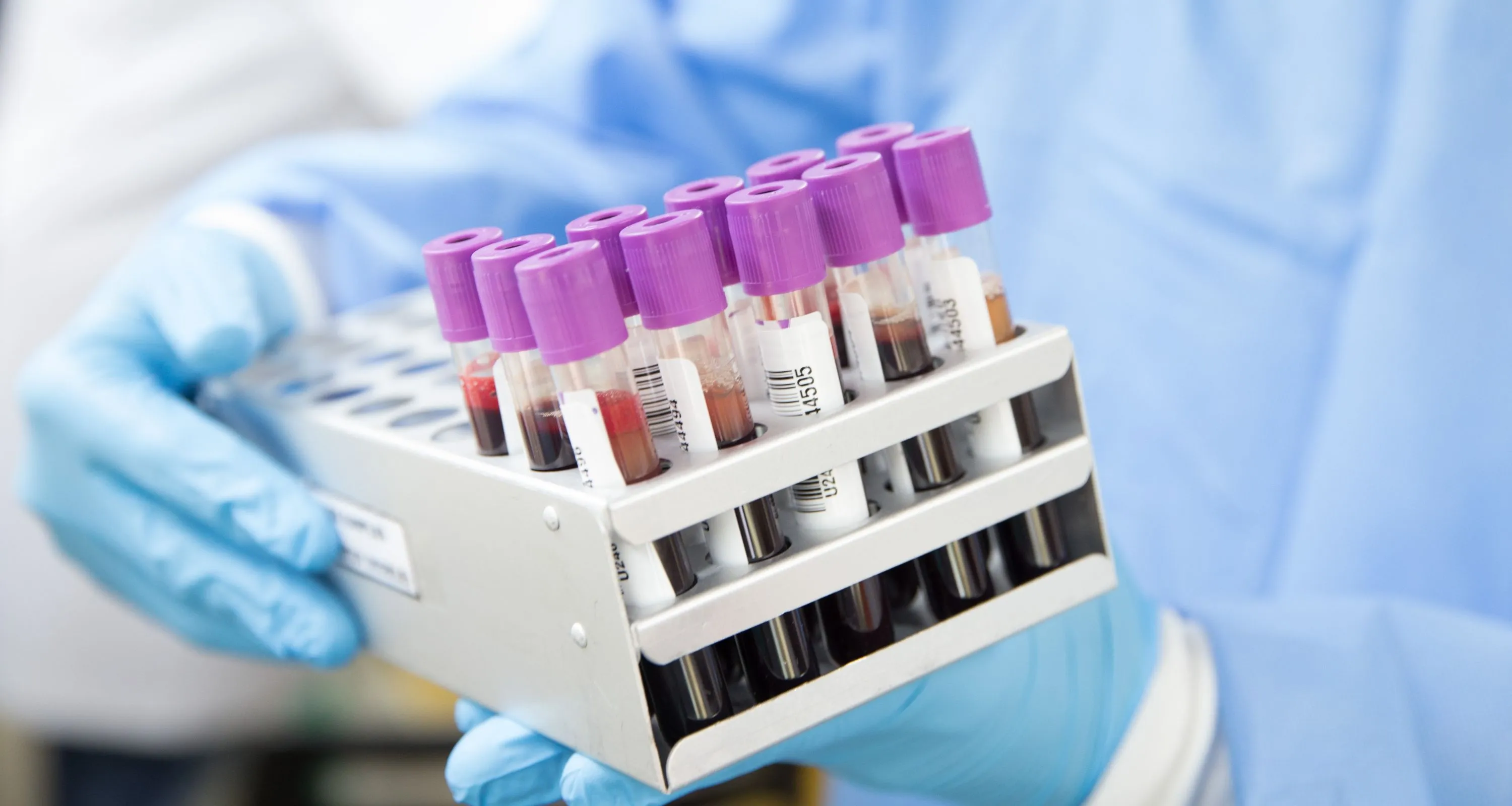
Patient-centricity is all about enhancing the overall patient experience. Modern diagnostic services are designed to be more convenient and user-friendly. For example, home sample collection services allow patients to provide samples from the comfort of their homes, reducing the need for hospital visits. Smart reports, which present diagnostic results in an easily understandable format, empower patients with clear insights into their health status. Additionally, trend analysis reports highlight the prevalence of non-communicable diseases, helping patients understand their risks and take preventive measures. - Shift from Disease Management to Preventive Health
There is a significant shift from disease management to preventive health in Bharat’s healthcare approach. Instead of waiting for symptoms to appear, patients are encouraged to undergo regular screenings and diagnostic tests to catch potential health issues early. This proactive approach not only helps in early disease detection but also reduces the overall burden on the healthcare system. Preventive health packages, which include a comprehensive set of tests designed to screen for common conditions, are becoming increasingly popular among health-conscious people. - Test Packages from Accredited Labs
Quality assurance in diagnostics is crucial. Accredited laboratories adhere to stringent standards, ensuring the reliability and accuracy of test results. Offering test packages from these labs provides patients with peace of mind, knowing they receive top-notch diagnostic services. These packages are tailored to meet various health needs, from routine check-ups to specialized screenings, making it easier for patients to access the tests they need. - Expanding Access to Tier 2 and Tier 3 Cities
Ensuring high-quality diagnostic services in tier 2 and tier 3 cities is crucial for creating a more equitable healthcare system in Bharat. In the past, advanced diagnostic services were concentrated in metropolitan areas, leaving smaller cities and rural regions underserved. However, efforts are now being made to bridge this gap. The establishment of diagnostic centers in these regions is making healthcare diagnostics accessible and affordable for all. - An Interconnected Healthcare Ecosystem
An interconnected healthcare ecosystem is essential for seamless patient care. Integration between diagnostic services, healthcare providers, and patients ensures that information flows smoothly, enabling coordinated and efficient care. This allows for better tracking of patient health, timely interventions, and more personalized treatment plans. It also facilitates data sharing and collaboration among healthcare professionals, enhancing overall healthcare delivery.
By using these patient-focused methods, Bharat Lab Network is helping people make smarter health choices and encouraging a healthier community.
Jai Hind!